
Science, Not Scientism
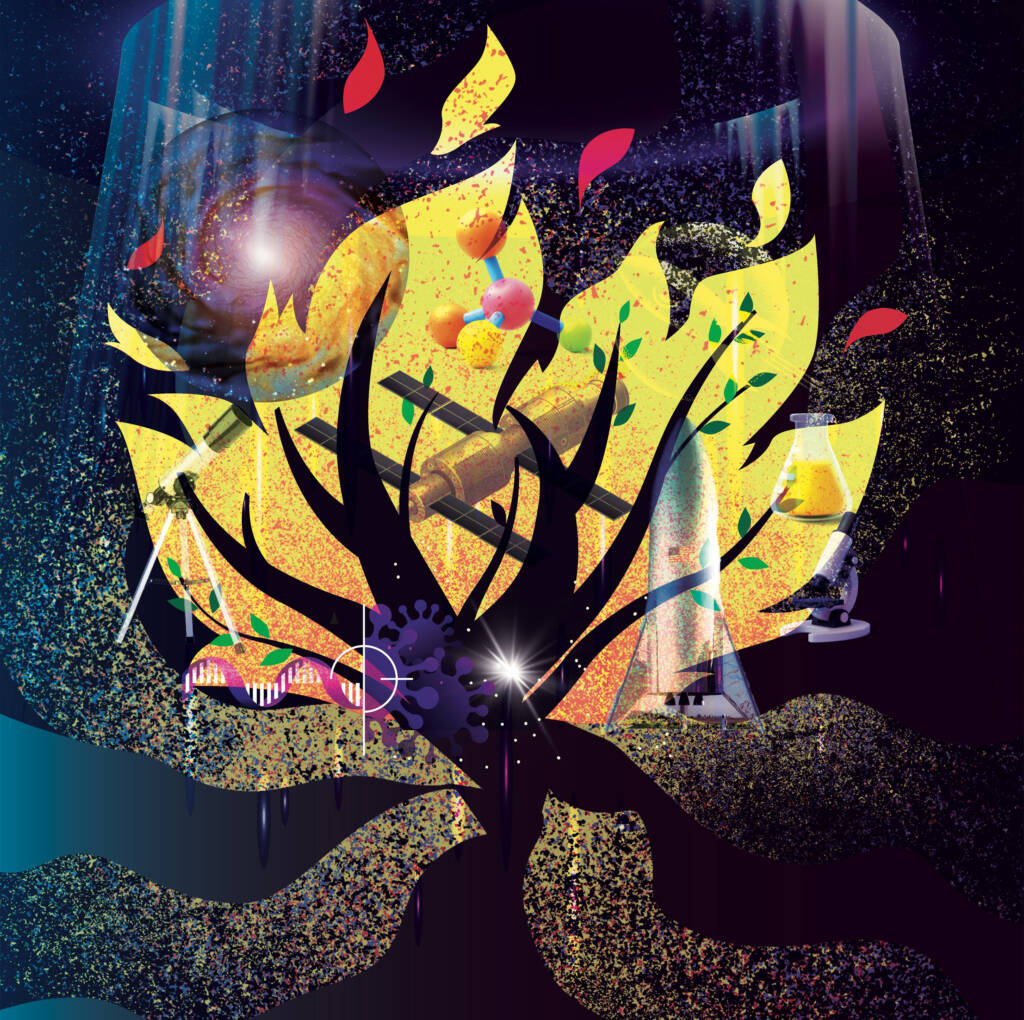
We are living in what is called the fourth industrial revolution, an age when science speaks with more cultural authority than ever before. But there is a real difference between science — the humble, evidence-based pursuit of how the universe works — and scientism, the philosophical claim that science is the only path to truth and that only material causes are real.
Scientism is not itself a finding of science; it is a philosophical assumption smuggled in as though it were one. As mathematician John Lennox puts it, “Scientism refutes itself. Hence it is incoherent.” The claim that only scientific statements are true is not, itself, a scientific statement — it fails its own test. Philosopher of science Stephen Meyer adds that defining science as materialistic in advance “necessarily limit[s] the possible range of explanatory hypotheses,” ruling out valid explanations before the evidence is even examined.
Materialism Undermines the Reason It Needs
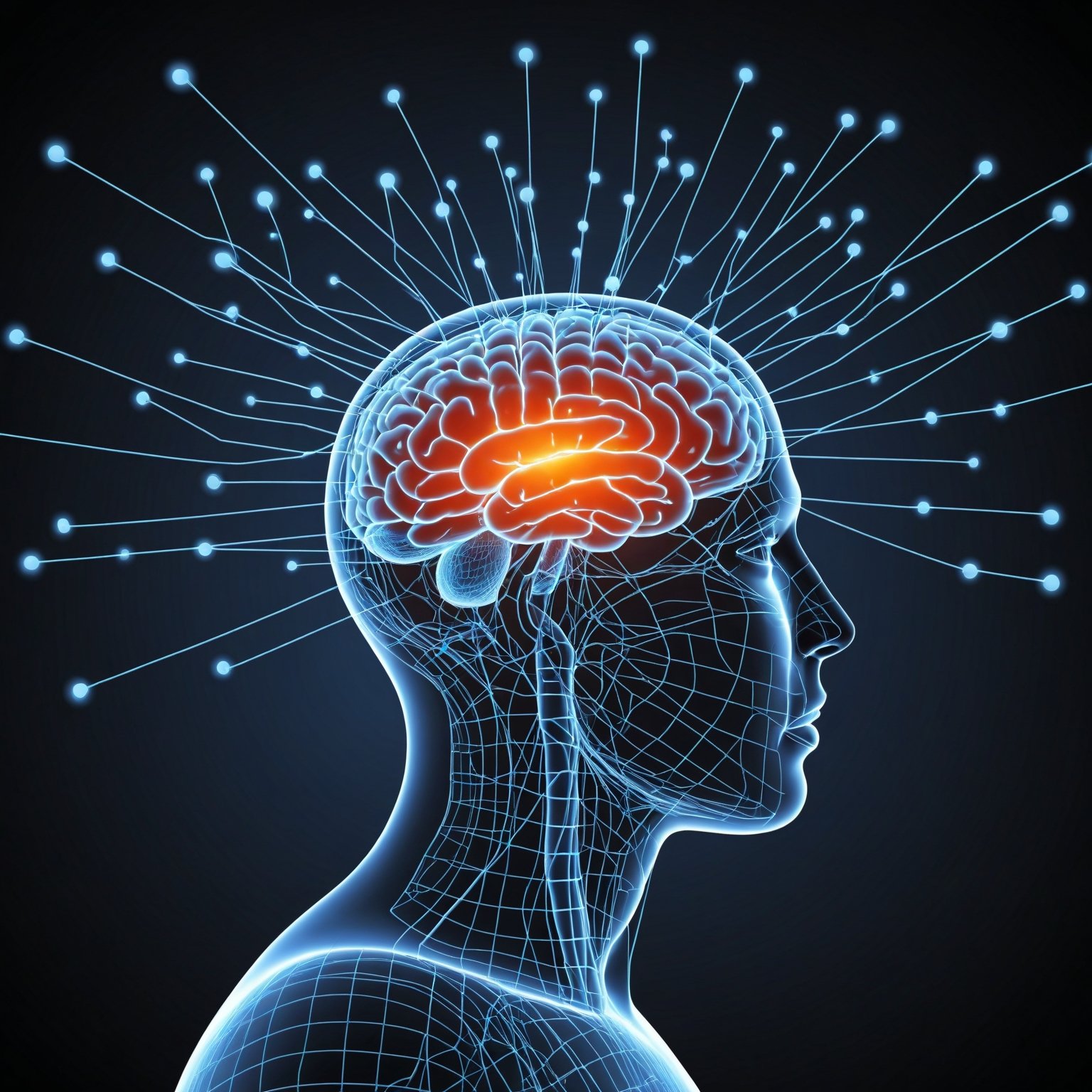
The same self-defeating trap appears when science is used to explain away the mind itself. Geneticist J.B.S. Haldane asked the question that still haunts strict materialism: “If the thoughts in my mind are just the motions of atoms in my brain, why should I believe anything it tells me — including the fact that it is made of atoms?”
If the human mind is merely the product of mindless, unguided forces, there is no rational basis for trusting its conclusions — including scientific ones. Materialism uses rational argument to deny the very foundations of rational argument; it cannot justify its own method. A worldview that undermines reason cannot coherently serve as the foundation for science itself.
The Fine-Tuned Universe: A Cosmic Signature
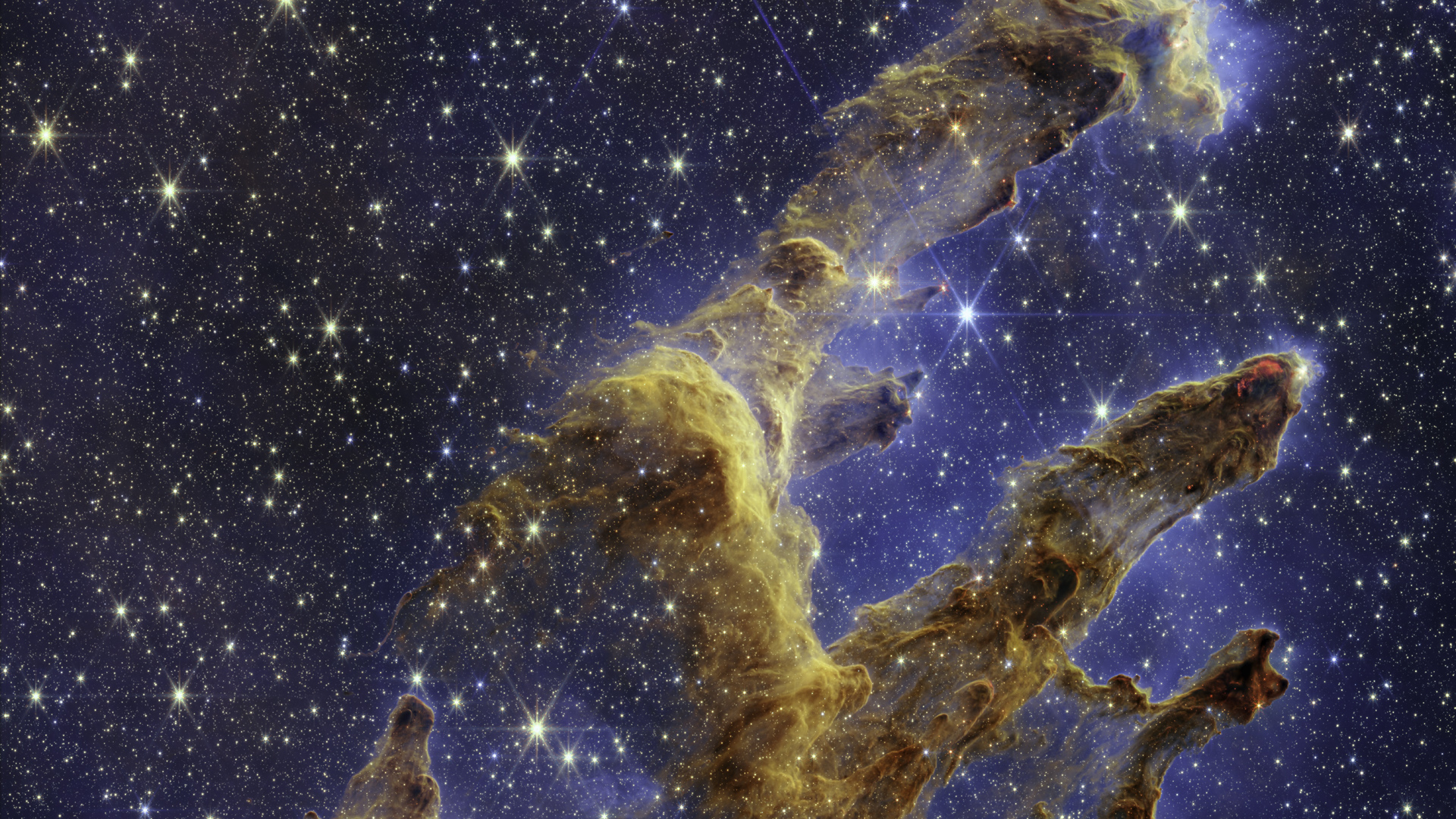
Beyond philosophy, the physical evidence itself keeps pointing past blind matter. The constants of the universe — gravity, electromagnetism, the cosmological constant — are calibrated with such extraordinary precision that altering any one of them, even by a fraction, would leave a universe with no stars, no chemistry, and no life. As Lennox observes, “The very success of science in showing us how deeply ordered the natural world is provides strong grounds for believing that there is an even deeper cause for that order.” Strict naturalism cannot explain this fine-tuning without invoking an unverifiable multiverse — a move that is itself metaphysical, not scientific.
DNA: The Digital Signature in the Cell
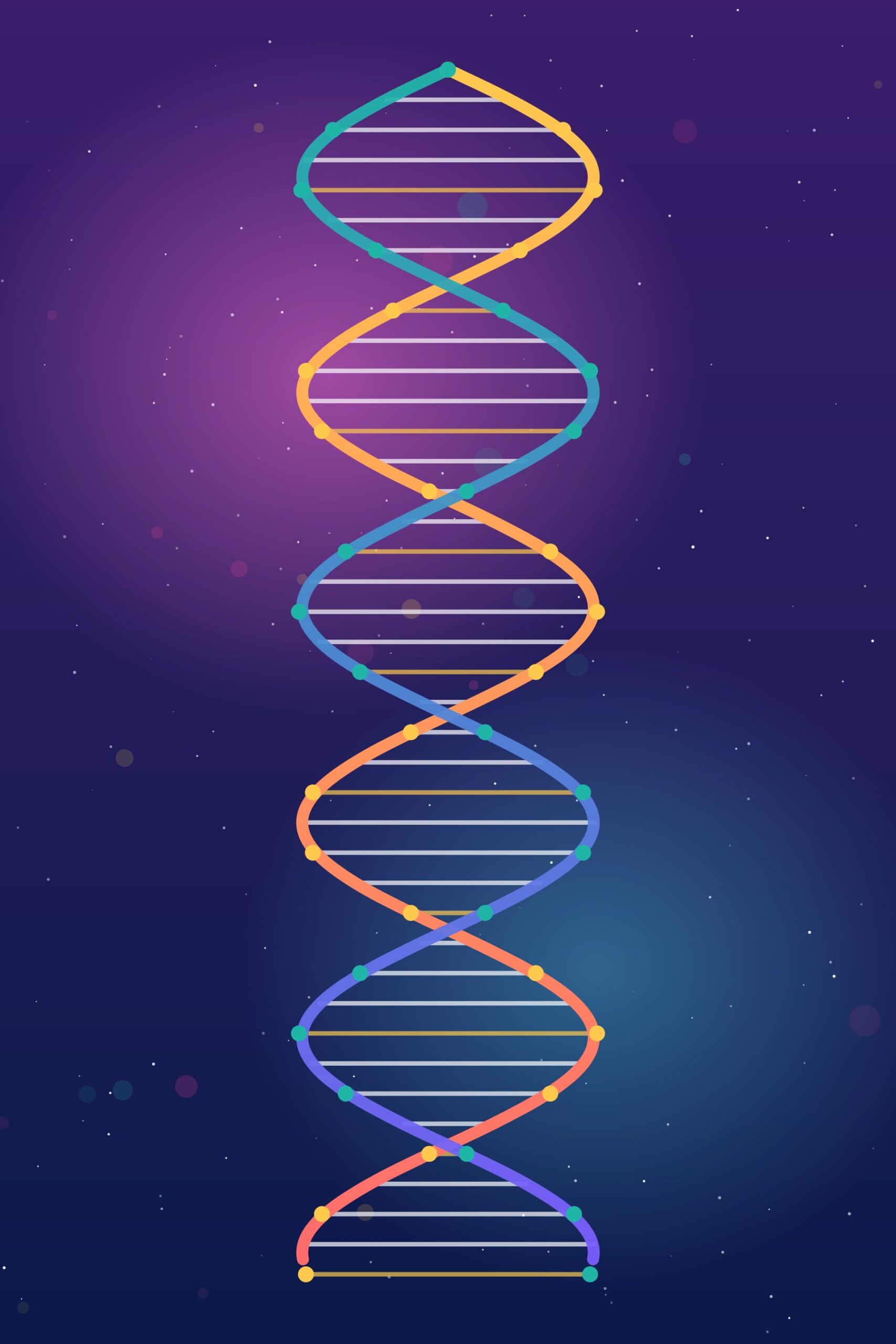
Inside every living cell, DNA stores roughly 3.5 billion letters of specified, digital information — more than any system human engineers have ever built. Stephen Meyer notes that “our uniform experience affirms that specific information… always arises from an intelligent source, from a mind and not [a] strictly material process” (Signature in the Cell, p. 347). The odds of even a single functional protein arising by unguided chance run to roughly 1 in 10¹⁶⁴ — odds far beyond what chance can plausibly produce.
The Origin of Life: Where Naturalism Runs Out
When Craig Venter’s team announced “synthetic life” in 2010, headlines declared a breakthrough. Meyer was direct about what actually happened: Venter’s team “read the gene sequence of one bug, copied it onto another strand of DNA, and inserted the copy into another bacterium… Both bacterial cells came, like all life we know of, from other life.” Naturalism has not closed the gap between chemistry and life. Intelligent Design is not an argument from ignorance — it is a positive inference based on known causes.
The Cambrian Explosion: Darwin’s Persistent Problem
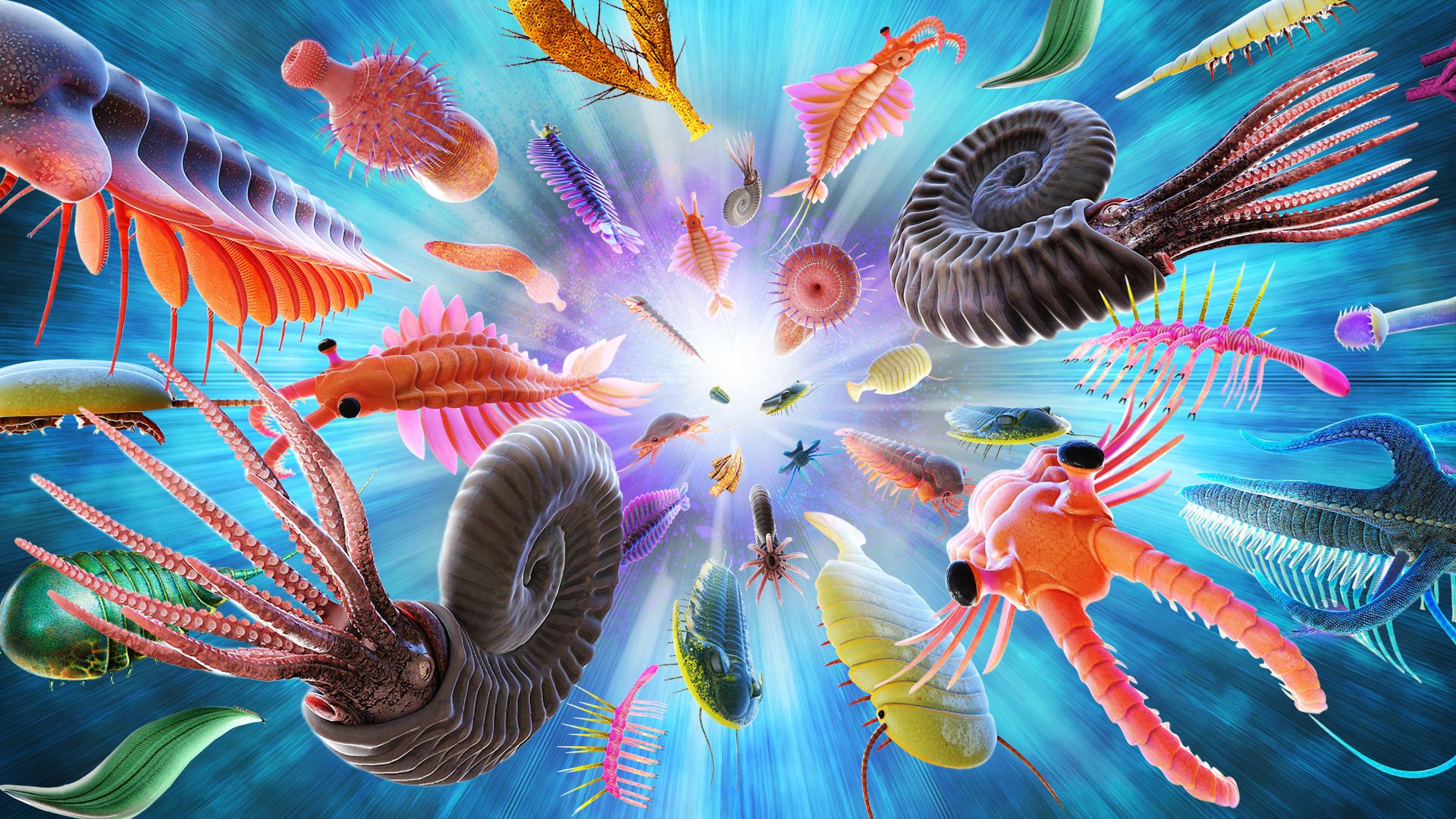
Roughly 540 million years ago, nearly all of the major animal body plans appear abruptly in the fossil record, without the gradual intermediate forms Darwin’s theory predicted — a problem Darwin himself called a “serious challenge.” As paleontologists have noted, “most of the major animal phyla appear abruptly in the fossil record suddenly and without any evidence of intermediate forms preceding them in Precambrian strata.” A century and a half later, the abrupt appearance remains unresolved — and is precisely what Intelligent Design predicts.
Intelligent Design Is Robust Science
ID takes this pattern seriously as a scientific hypothesis, not a religious one. It predicts — and the evidence confirms — the abrupt appearance of body plans, irreducible complexity in molecular machines, and specified information in DNA. As Meyer explains, “the theory of intelligent design does employ a scientific method… biological evidence supports the theory of intelligent design” — the same method of inference to the best explanation that Darwin himself used. ID does not identify the designer; it follows the evidence wherever it leads, just as rigorous science demands.
Follow the Evidence — Wherever It Leads
Cosmology, biochemistry, paleontology, and information theory all converge on the same conclusion: a universe that bears the marks of intelligent causation. As Lennox puts it, “Either human intelligence ultimately owes its origin to mindless matter; or there is a Creator. It is strange that some people claim that it is their intelligence that leads them to prefer the first to the second.” The founders of modern science — Newton, Kepler, Faraday — saw the order of nature as evidence of a rational Creator, not a threat to inquiry. Science and faith are not enemies. The real challenge is not a lack of evidence; it is whether a prior philosophical commitment to materialism will be allowed to keep us from following that evidence to its most reasonable conclusion.
forms preceding them in Precambrian strata.” A century and a half later, the abrupt appearance remains unresolved — and is precisely what Intelligent Design predicts.
Intelligent Design Is Robust Science
ID takes this pattern seriously as a scientific hypothesis, not a religious one. It predicts — and the evidence confirms — the abrupt appearance of body plans, irreducible complexity in molecular machines, and specified information in DNA. As Meyer explains, “the theory of intelligent design does employ a scientific method… biological evidence supports the theory of intelligent design” — the same method of inference to the best explanation that Darwin himself used. ID does not identify the designer; it follows the evidence wherever it leads, just as rigorous science demands.
Follow the Evidence — Wherever It Leads
Cosmology, biochemistry, paleontology, and information theory all converge on the same conclusion: a universe that bears the marks of intelligent causation. As Lennox puts it, “Either human intelligence ultimately owes its origin to mindless matter; or there is a Creator. It is strange that some people claim that it is their intelligence that leads them to prefer the first to the second.” The founders of modern science — Newton, Kepler, Faraday — saw the order of nature as evidence of a rational Creator, not a threat to inquiry. Science and faith are not enemies. The real challenge is not a lack of evidence; it is whether a prior philosophical commitment to materialism will be allowed to keep us from following that evidence to its most reasonable conclusion.
