
Volume III: Chapter 14
Culture, Society, and Morality
Recognizing the Burning Bushes Around Us
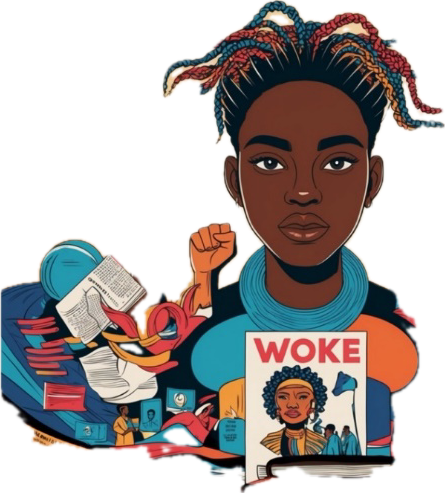

A number of 21st-century currents are converging forcefully all at once: the unrest that followed the killing of George Floyd, the rise of the non-binary and transgender movement, and the increasingly combative posture of the LGBTQI+ community, particularly where Christians are concerned.
“Woke” has become one of the most polarizing and hotly disputed labels of our time. Running alongside it is “Cancel Culture”—a term for the kind of mob-driven retribution that has begun to seep into every layer of society, most visibly in education, politics, entertainment, and business. At its core, it seeks to impose public penalties on conduct judged offensive, frequently through a wave of social-media outrage, organized boycotts, or damage to someone’s career or livelihood.
Though distinct, the two are closely intertwined. In the section that follows, I’ll take a closer look at these muddled and often misused terms—words that have grown corrosive and divisive, especially across the United States and other parts of the Western world.ty.
Unprecedented Challenges to Faith
Questioned Assumptions
Age-old assumptions about family, decent behavior, and even gender are now questioned. Christians are divided on fundamental issues.
Marginalized Believers
True Christians are being marginalized and becoming undesirables, especially in Western countries.
Kingdom Opposition
The Kingdom of God faces unprecedented challenges as secular culture increasingly opposes biblical values and truth.
Navigating a Hostile Landscape
Believers must navigate this hostile landscape while maintaining their witness and understanding of God’s Kingdom principles in a world that rejects them.
Technology has alienated us. Humanity is constantly online, yet so lonely and alienated. Volume III examines these cultural Burning Bushes and what they reveal about our times and God’s call to His people in this challenging era.
The Burning Bush of Woke and Social Justice
This chapter examines the Woke movement and social justice ideology from a Christian perspective. It analyzes how these contemporary movements intersect with biblical principles and traditional Christian values.
Chapter Structure and Themes
Social and Racial Injustice
Examining foundational issues of justice in contemporary society
Social Justice in God’s Kingdom
Establishing a biblical framework for understanding justice
Woke and Cancel Culture
Analyzing modern phenomena and their societal impact
Historical Background
Contextualizing the movement’s origins and development
Kingdom Principles
Addressing progressive Christianity and social justice ideology
Return of Pagan Gods
Exploring spiritual forces behind these movements
Awaken Recommendations
Offering practical guidance for Christians
Responding with Biblical Clarity
Wokeness is not simply a cultural trend—it’s a worldview that often stands in direct conflict with biblical truth. As Christians, we are not called to be culturally relevant at the expense of faithfulness. We are called to be faithful witnesses in a confused age.
Let us respond to the challenges of wokeness not with fear or compromise, but with the boldness and clarity of God’s Word.
Source: Responding to Wokeness with Biblical Clarity – Servants of Grace
Awake but not Woke
Interview with Noelle Mering, author of Awake but not Woke
Watch the full interview on YouTube
This interview provides valuable insights into distinguishing between legitimate Christian concern for justice and problematic woke ideology.
Warning
Woke Christianity is NOT Christianity
The infiltration of woke ideology into Christian churches represents a fundamental departure from biblical Christianity. This movement redefines core Christian concepts through a secular lens, replacing gospel truth with cultural narratives.
Watch: Understanding the Dangers of Woke Christianity
Right at the outset of His ministry, our Lord Jesus Christ declared what His Mission would be:
The Spirit of the Lord is upon me, because he has anointed me to bring good news to the poor. He has sent me to proclaim release to the captives and recovery of sight to the blind, to let the oppressed go free, to proclaim the year of the Lord’s favor. (Luke 4:18-19)
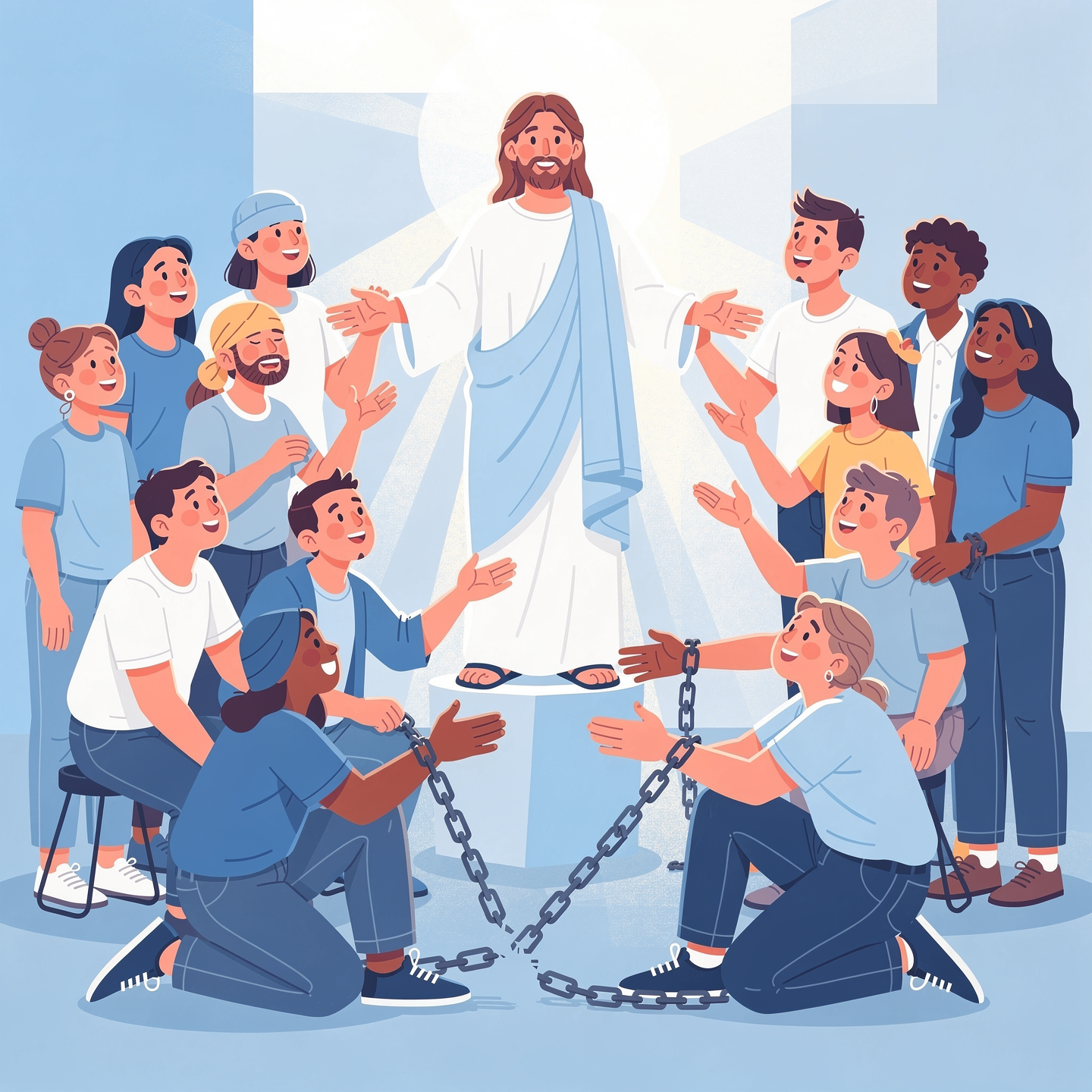
This is a ministry of deliverance—of setting the oppressed free. How strange, then, that Christianity has at times been cast as an engine of oppression rather than of liberation. Just as strange is how thoroughly our Lord’s purpose has been misunderstood: to free us from sin for all eternity, and to make us light and salt in this world by carrying good news to the poor, the captive, and the oppressed. This is faith put into action.
The Kingdom of God—together with God’s values and God’s way of seeing—is pressing in. And the Kingdom’s revolution speaks to both the right and the left of the spectrum when it comes to matters of spirituality and social justice.