21st Century Burning Bushes
Volume III: Chapter 15
The Burning Bush of Moral Decadence
Recognizing the Moral Decedance
Burning Bushes Around Us
We are living in a world that grows more perverse and decadent with each passing season. It often feels as though morality erodes a little further with every century, and in truth with every decade—as if each generation inherits a lower standard than the one before it and lowers it still further.
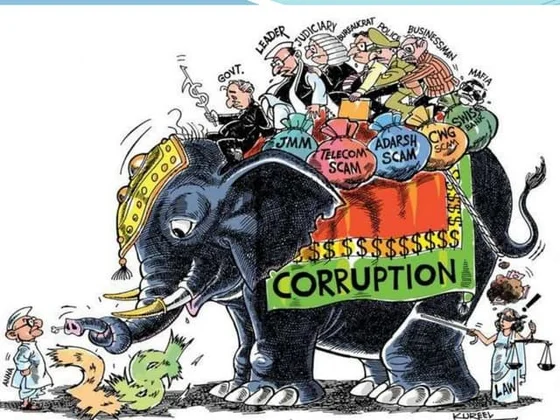
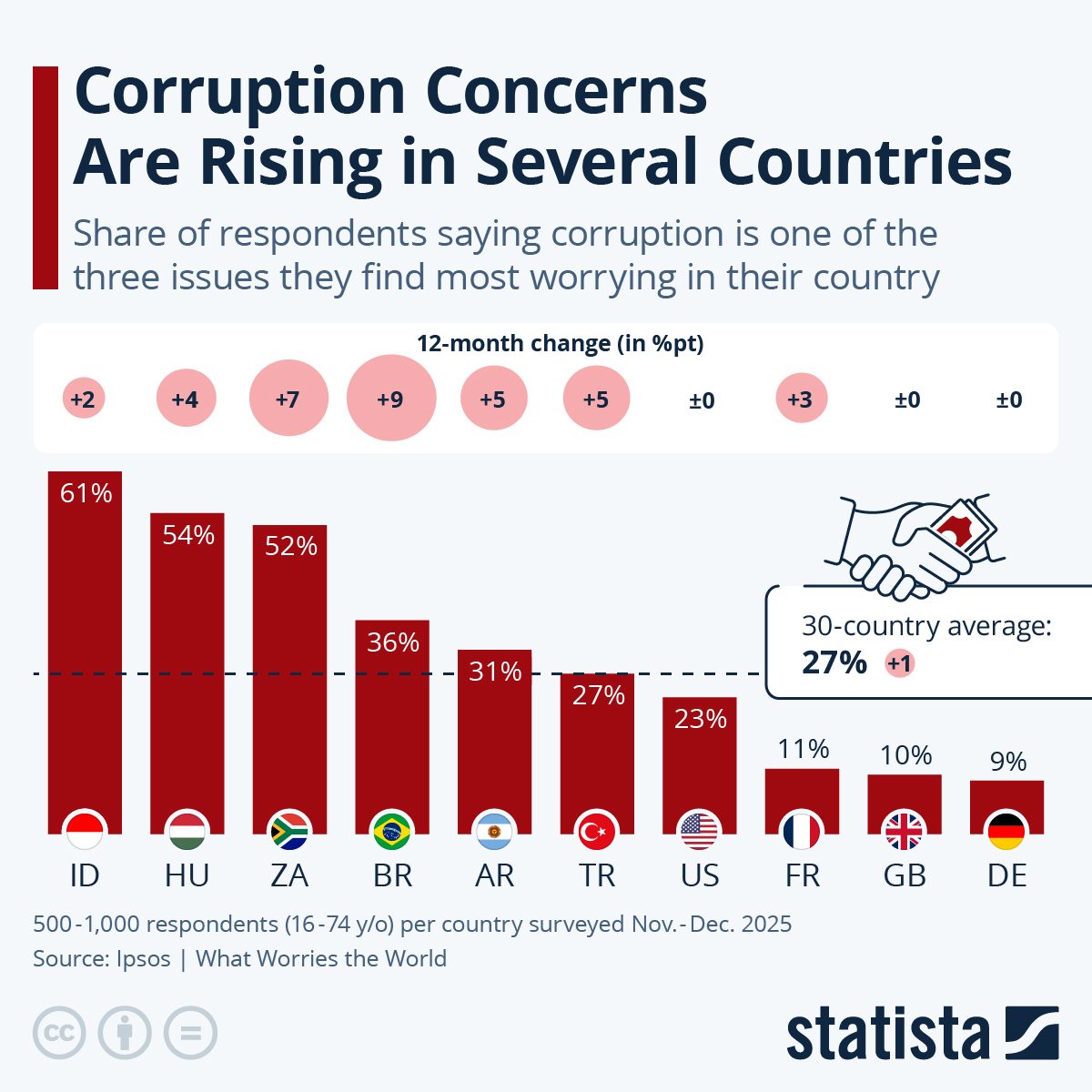
And this is not merely a matter of sexual immorality, though that is certainly part of it. Corruption seeps through our institutions. Violence and murder fill our headlines. Dishonesty and theft are increasingly shrugged off as ordinary. The family, once the bedrock of a healthy society, is steadily being hollowed out. One by one, behaviors that earlier generations would have recognized as plainly wrong are being normalized—no longer the exception, but fast becoming the accepted norm.
Unprecedented Challenges to Faith
Questioned Assumptions
Age-old assumptions about family, decent behavior, and even gender are now questioned. Christians are divided on fundamental issues.
Marginalized Believers
True Christians are being marginalized and becoming undesirables, especially in Western countries.
Kingdom Opposition
The Kingdom of God faces unprecedented challenges as secular culture increasingly opposes biblical values and truth.
We are living in an increasingly perverse and decadent world where morality appears to be declining with each passing century and decade. Sexual immorality, corruption, murder, the erosion of family values, violence, dishonesty, theft, and other unacceptable behaviors are becoming pervasive norms in society.
Echoes of Noah’s Time
Great Wickedness
The Lord saw the great wickedness of humanity and that every inclination of human hearts was only evil all the time, reminiscent of the days before the flood.
Knowledge vs. Morality
While knowledge is increasing at an unprecedented rate, morality is paradoxically declining, as evidenced by the widespread use of remarkable technologies like the Internet for immoral and pornographic activities.
The Plagues of Contemporary Society
A plethora of morality issues plagues contemporary society, reflecting both our fallen human nature and the working of the Enemy to create disorder and facilitate our downfall.
This chapter highlights how humanity’s fallen nature manifests in several morally reprehensible behaviors that have caused havoc to the lives and even souls of people, distorting the beautiful image of God that each person carries. These moral crises demand careful examination through a biblical lens to understand their spiritual dimensions and societal impact.
Christian Genocide in Nigeria
THere’s a paragraph you can use on your website, drawing on the most recent data:
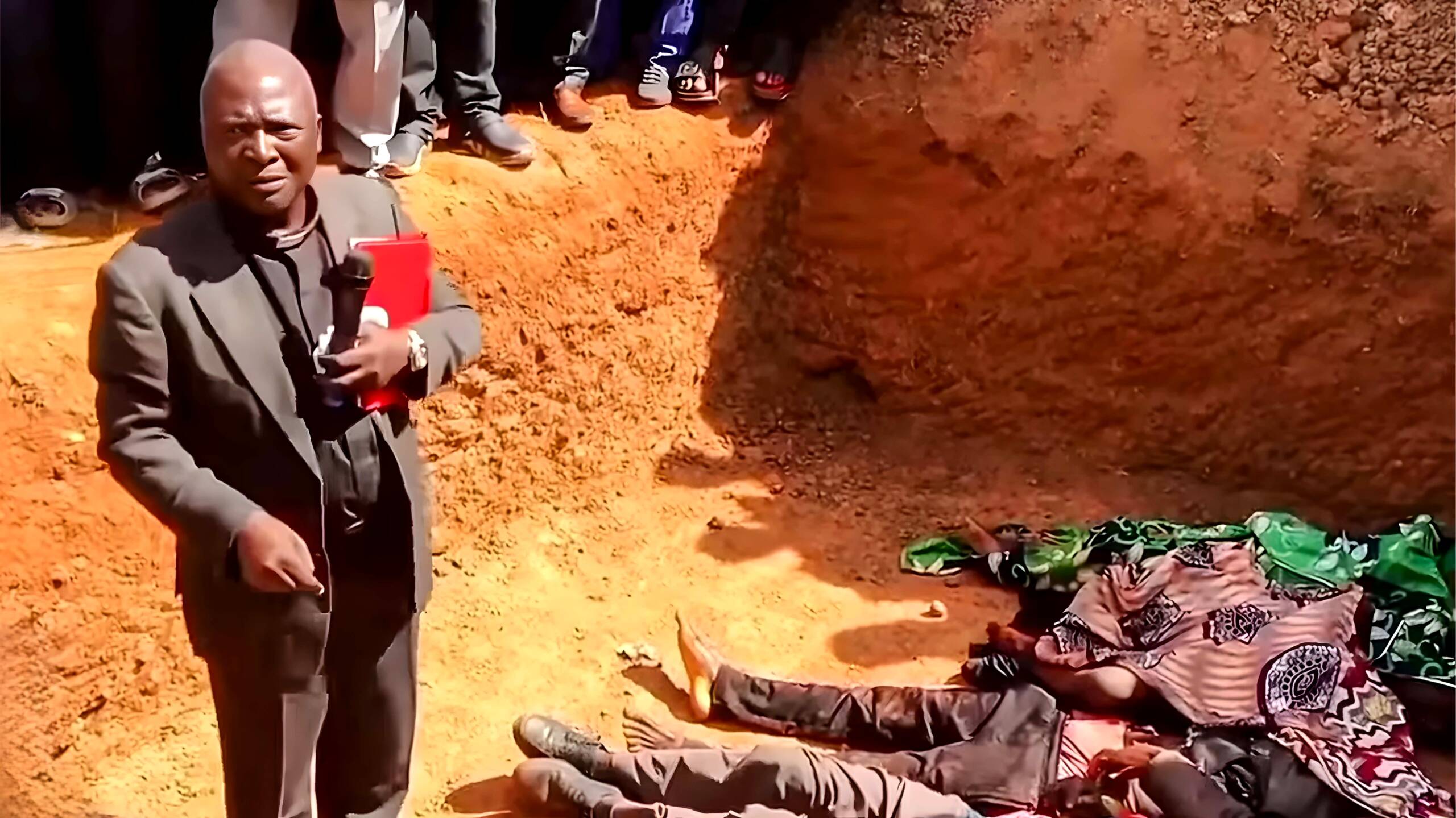
Nigeria has become the deadliest place in the world to be a Christian. According to Open Doors’ World Watch List 2026, out of the 4,849 Christians killed for their faith globally in the year up to the end of September 2025, 3,490 of these were murdered in Nigeria—72% of the total. Put another way, more Christians were killed in Nigeria last year than anywhere else in the world combined. Separate reporting by the International Society for Civil Liberties and the Rule of Law (Intersociety) found that at least 7,087 Christians were massacred across Nigeria in the first 220 days of 2025—a daily average of 32 Christians killed per day, alongside thousands more abducted. The violence is driven chiefly by Islamist groups such as Boko Haram and ISWAP, and increasingly by militant Fulani herdsmen in the country’s Middle Belt, where Christians are 2.7 times more likely to be targeted and killed in attacks from the Fulani than Muslims, according to the Netherlands-based Observatory for Religious Freedom in Africa. The scale of the bloodshed has drawn international attention: Pope Leo XIV addressed the crisis in November 2025, acknowledging that “Christians and Muslims have been slaughtered” in the country, and the same month Nigeria was designated a “country of particular concern” for religious freedom violations. Many observers now describe what is unfolding as a Christian genocide.h more of a genocide attempt than what is going on in Gaza.
The Armenian Genocide
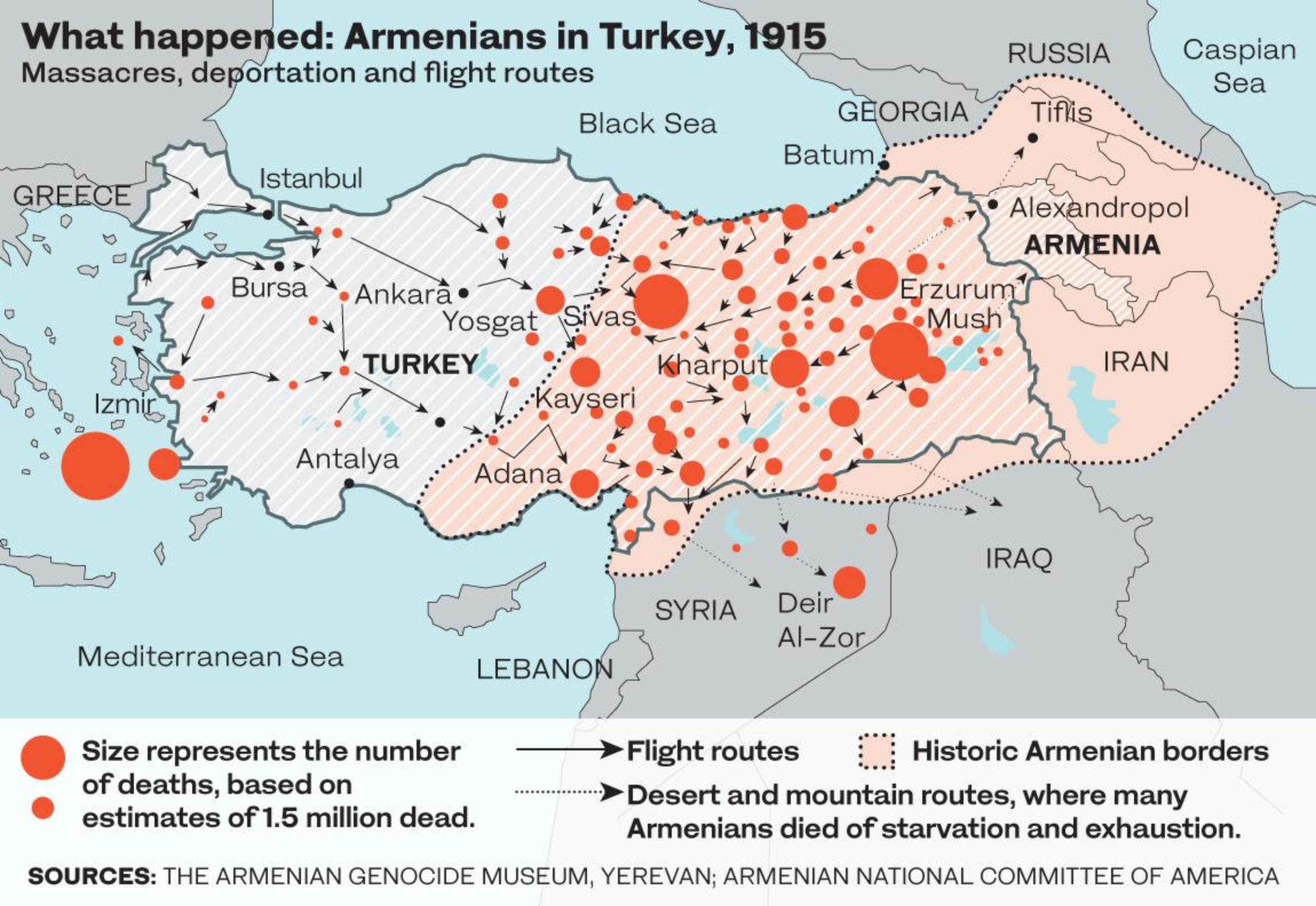
The Armenian Genocide was the systematic killing and deportation of Armenians by the Turks of the Ottoman Empire. In 1915, during World War I, leaders of the Turkish government set in motion a plan to expel and massacre Armenians. By the early 1920s, when the genocide finally ended, between 600,000 and 1.5 million Armenians were dead, with many more forcibly removed from the country. Today, most historians call this event a genocide: a premeditated and systematic campaign to exterminate an entire people. In 2021, U.S. President Joe Biden issued a declaration that the Ottoman Empire’s slaughter of Armenian civilians was genocide. However, the Turkish government still does not acknowledge the scope of these events.
Abortion is Murder
Few issues divide the United States and the broader West as deeply as abortion. In the U.S. alone, an estimated 60 million abortions have taken place since Roe v. Wade in 1973, with the worldwide figure exceeding 1 billion. Each of these was a human life.
What’s paradoxical is the political alignment: the right opposes abortion, largely on moral and religious grounds, while the left — despite its commitment to defending the disenfranchised — supports it in the name of a woman’s right to choose. This raises a difficult question: how can ideologies centered on justice and protection for minorities fail to extend that protection to the unborn, the most vulnerable and voiceless among us?


A
Abortion is murder of the worst kind. It is the genocide of the unborn, each of whom is a living and spiritual person created in the image of God!
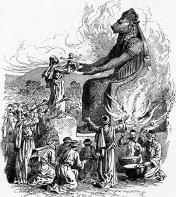
In ancient pagan religion, child sacrifice was a rite attributed to gods like Baal and Molek, also spelled Moloch. In the Bible, Moloch is described as a Canaanite deity connected to the sacrifice of children. The name has variants including Molech, Milcom, and Malcam.
Linguistically, Moloch comes from a Second Temple–era alteration of a divine name built on the Semitic root mlk, meaning “king.” That same root appears in the names of other Canaanite gods who were later conflated with Moloch — for example, Malkam, the “great king” of the Ammonites (called Milcom in the King James Version), and Melqart of Tyre.
The New Moral Disorder
Contemporary society faces a fundamental breakdown in moral understanding. What was once universally recognized as wrong is now celebrated, while biblical truth is increasingly marginalized and condemned.
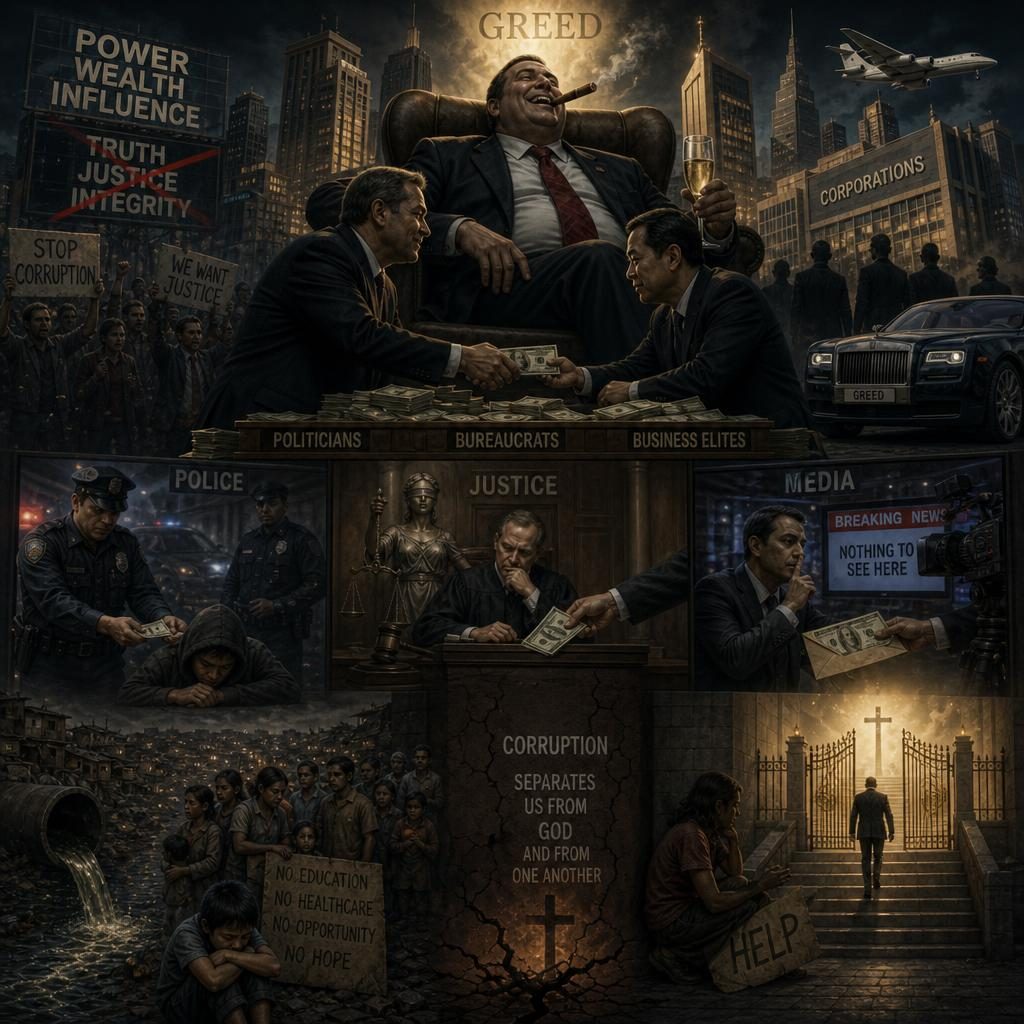
At its core, corruption twists God’s intended design for the world. People abandon righteousness to pursue selfish ends, sacrificing justice and truth. It appears as abuse of power: deceit, bribes, unjust rulings, and leaders who put personal gain before public good. This systemic corruption poisons communities, breaks down trust, oppresses the weak, and damages both our relationship with God and our bonds with each other.