

Game design mechanics Why randomness is key to player engagement
The Role of Randomness in Game Design
Randomness plays a crucial role in game design, as it introduces unpredictability and surprise, keeping players engaged. When players cannot predict outcomes, they experience heightened emotions and excitement. This unpredictability can enhance both casual and competitive games, making every playthrough feel unique. By incorporating random elements, game designers can offer varied experiences, ensuring players remain intrigued and eager to return. Many people seek out mlb betting sites because the excitement of chance often mirrors the thrill found in gaming environments.
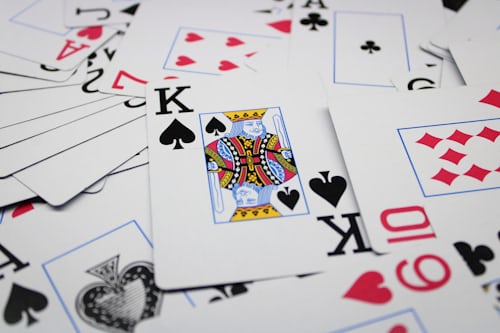
Many successful games utilize randomness to create engaging mechanics. For example, in role-playing games, random loot drops can reward players with unique items that significantly impact their gameplay. This not only incentivizes exploration but also encourages replayability. Players are motivated to venture into the unknown, hoping for a rare item or experience that could alter their game path. Such randomness promotes a sense of discovery, vital for maintaining player interest.
Moreover, randomness can balance competition among players. In multiplayer games, random elements can level the playing field, allowing less experienced players to have a chance against veterans. This approach fosters a more inclusive gaming environment where skill is important, but luck also plays a part. Such balance helps maintain player engagement, as it creates opportunities for everyone to succeed based on both strategy and chance.
How Randomness Influences Player Decision-Making
Random elements can significantly affect player decision-making within games. The uncertainty introduced by randomness forces players to adapt their strategies on the fly. For instance, a player might encounter an unexpected event or enemy that requires quick thinking and a reevaluation of their current tactics. This dynamic keeps players on their toes, enhancing their engagement with the game as they navigate through unpredictable scenarios.
Furthermore, randomness can amplify the stakes in decision-making. In games like card games or battle royales, players must weigh risks and rewards based on uncertain outcomes. This tension adds layers of depth to gameplay, as players might gamble their resources or positions for a chance at greater rewards. The thrill of making pivotal decisions in the face of randomness can lead to memorable moments that players cherish and talk about long after the game has ended.
Additionally, the psychological impact of randomness cannot be overlooked. Players often experience excitement and anxiety as they confront random elements. This emotional rollercoaster can deepen their connection to the game. The anticipation of what might happen next fosters a unique engagement, as players feel genuinely invested in the outcome of their decisions. Such experiences can enhance player satisfaction and encourage prolonged gameplay.
Examples of Successful Games Utilizing Randomness
Several popular games effectively showcase how randomness can enhance player engagement. Titles like “The Binding of Isaac” leverage procedural generation to create new levels and item combinations every time a player starts a game. This ensures that no two runs are the same, inviting players to explore different strategies and approaches. The randomness keeps the experience fresh, encouraging players to return for more unique challenges.
Another great example is “Fortnite,” where random loot distribution and unpredictable storm patterns create an ever-changing battlefield. Players must continuously adapt to new situations, making strategic decisions based on the randomness around them. This dynamic environment fosters competitive excitement, as players never know what to expect, leading to intense and engaging gameplay moments.
Games like “Slay the Spire” also highlight the importance of randomness in player engagement. Here, players face random card draws and encounters, making each playthrough different. The strategic layer added by these random elements keeps players coming back, as they seek to master the game’s mechanics while navigating the unpredictability that arises from each run. Such experiences reinforce the idea that randomness can serve as a powerful tool in game design.
Challenges of Implementing Randomness in Game Mechanics
Despite its benefits, integrating randomness into game mechanics poses certain challenges. One significant concern is the potential for frustration among players. If randomness feels unfair or disproportionately punishes players, it can lead to disengagement. Game designers must strike a careful balance, ensuring that random elements enhance rather than detract from the overall experience.
Another challenge lies in maintaining consistency within the game. Designers must ensure that randomness complements the game’s core mechanics without overwhelming them. If players feel like their skills are irrelevant due to excessive randomness, they may lose interest. Therefore, it’s crucial to implement randomness in a way that supports player agency while still incorporating elements of chance.
Furthermore, testing and iterating on randomness can be a time-consuming process. Game designers often have to playtest various scenarios to determine how randomness affects gameplay and player experience. This can slow down development, as ensuring a balanced and engaging experience requires careful consideration. Designers must be willing to adapt their approach based on player feedback to achieve a successful outcome.
Conclusion: The Importance of Randomness in Player Engagement
In conclusion, randomness is a vital component in game design that significantly impacts player engagement. Its ability to create unpredictability and emotional investment can elevate the gaming experience, offering players unique challenges that foster exploration and strategic thinking. By skillfully incorporating random elements, designers can craft memorable experiences that resonate with players.
Ultimately, understanding the balance between skill and luck is essential in game design. Successful games harness randomness to complement core mechanics while ensuring that players feel in control of their decisions. This delicate balance can lead to a captivating gaming experience, promoting player retention and satisfaction.
For anyone interested in diving deeper into the world of game design, understanding the role of randomness is crucial. By exploring various examples and analyzing how randomness shapes player experience, aspiring designers can develop unique and engaging games that resonate with audiences, ensuring a long-lasting impact in the gaming landscape.